




Want to know more about Construction in Tanzania? Our free overview of the Tanzania Business and Investment Guide 2026 covers Construction, plus key sectors and investment opportunities. The complete 141-page edition includes policies, taxation, key regulations, full macroeconomic data, and sources, and is also available at no cost upon completion of a short form.
Download Free OverviewGet the Full Edition for FreeRelated Posts

Makazi 2050 Forum Highlights Tanzania’s 3.8 Million-Unit Housing Shortage and Opportunities in Local Manufacturing of Building Materials
The Makazi 2050 Forum, held in Dar es Salaam on 27 October 2026, examined Tanzania’s estimated housing shortage of 3.8 million units. Speakers discussed local building-material production, infrastructure, digital housing systems and conditions for attracting long-term investment.
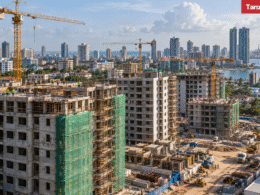
Construction Among Strategic Sector for Tanzania’s Vision 2050, PPPs Can Help Address Growing Housing Demand, Minister Says
Tanzania's Minister for Lands, Housing and Human Settlements Development has named construction a strategic sector for delivering Vision 2050 and its target of a USD 1 trillion economy by 2050. Speaking at BuildExpo Tanzania in Dar es Salaam, he pointed to Public-Private Partnerships as key to meeting rising construction and infrastructure demand.
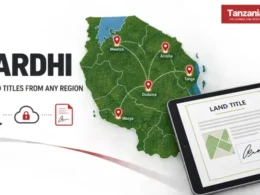
e-Ardhi System Lets Tanzanians Sign Land Titles From Any Region
Tanzania's digital e-Ardhi system now allows citizens to access land services and sign their title deeds from any region, without travelling to the region where the service originated. The platform, run by the Ministry of Lands, covers planning, surveying, allocation, registration and valuation and is already in use in Dodoma, Arusha, Tanga, Mbeya and Mwanza.

Tanzania Cuts Land Survey Fee to TZS 130,000 per Plot
Tanzania has cut the cost of planning and surveying a single plot in developed areas to TZS 130,000 under the 2021 Regularization Guideline, down from between TZS 250,000 and TZS 400,000. The reduction extends a decade-long trend of lowering fees to encourage urban landholders to formalize property titles.