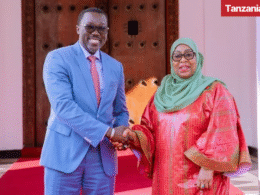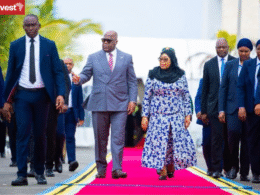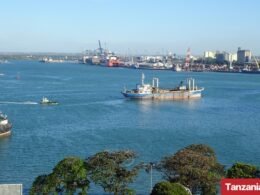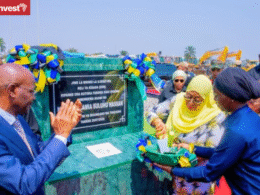



The Dar Rapid Transit (DART) Agency has signed an agreement with the International Finance Corporation (IFC) to facilitate the development of phases three and four of the Bus Rapid Transit (BRT) system in Dar es Salaam.
Under the agreement, IFC will act as the transaction advisor, overseeing due diligence, project structuring, and the selection of private sector partners to fund and implement the new phases of the BRT system.
Phase three will focus on Nyerere Road, and phase four will cover Bagamoyo Road. These two corridors are critical for connecting key areas of Dar es Salaam, home to over six million residents.

The agreement sets a 21-month timeline for the project’s completion. The IFC’s role includes identifying potential private sector investors, ensuring compliance with regulatory standards, and leveraging international best practices for the project’s design and implementation.
DART will also appoint an interim service provider for phase three to ensure operations commence while long-term plans are finalized. This step is expected to help maintain the project timeline and avoid delays in delivering improved transport solutions to the city. The interim provider will manage key operational aspects, including fleet preparation and temporary service delivery, to bridge the gap until full implementation.
Dr. Athumani Kihamia, Chief Executive of DART, stated, “Efficient transport systems are vital for economic growth and quality of life. This agreement with IFC is a critical step toward achieving our vision for public transport in Tanzania.”
Martine Valcin, IFC’s Country Manager for Tanzania, Rwanda, and Uganda, explained, “This collaboration will not only enhance the BRT system but also provide a framework for attracting private sector participation.”
Eng. Yanas Mchomvu, representing IFC at the signing ceremony, added, “This project is about creating a sustainable urban environment that supports economic development and improves lives.”

About DART
The BRT system in Dar es Salaam was first launched in 2016 to address the city’s severe traffic congestion and offer reliable public transportation. Previous phases have focused on Morogoro Road, providing faster travel times and reduced congestion for thousands of daily commuters. The new phases aim to expand these benefits to Nyerere and Bagamoyo Roads, areas with high population densities and significant traffic demands.
Dar es Salaam faces growing public transport challenges, including over-reliance on private vehicles and informal transit systems. The BRT expansion is expected to accommodate the city’s rapid population growth and urbanization. The system currently serves approximately 200,000 passengers per day, with this number projected to rise significantly after the completion of the new phases.
The project also supports Tanzania’s environmental goals by reducing vehicle emissions through increased public transport use. According to DART, the expanded BRT system will cut carbon emissions by encouraging commuters to shift from private cars to buses, aligning with global trends in sustainable urban transportation.
Want to know more about Transport in Tanzania? Our free overview of the Tanzania Business and Investment Guide 2026 covers Transport, plus key sectors and investment opportunities. The complete 141-page edition includes policies, taxation, key regulations, full macroeconomic data, and sources, and is also available at no cost upon completion of a short form.
Download Free OverviewGet the Full Edition for Free