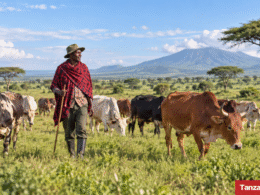

Small Enterprise Assistance Funds (SEAF), has announced the launch of a USD 8 million investing and lending vehicle with a focus on providing support to SME’s in the Tanzanian agricultural sector.
To date, the Government of Tanzania has estimated that agribusiness supports nearly 80% of Tanzanians.
According to a press release issued by the investment manager, SEAF will provide support to Tanzania agribusiness entrepreneurs with a focus on the following sub-sectors: animal feed producers and distributors; export oriented fruit, vegetable, and/or spice processors; equipment leasing finance providers; and non-bank financial institutions serving small, growing agribusinesses.

It is the mission of SEAF to provide entrepreneurs in underserved markets with the capital, knowledge, and networks they need to grow their businesses and to that end they have invested a total of USD 499 million in 320 companies across 26 countries since 1989.
Want to know more about Agriculture in Tanzania? Our free overview of the Tanzania Business and Investment Guide 2026 covers Agriculture, plus key sectors and investment opportunities. The complete 141-page edition includes policies, taxation, key regulations, full macroeconomic data, and sources, and is also available at no cost upon completion of a short form.
Download Free OverviewGet the Full Edition for Free