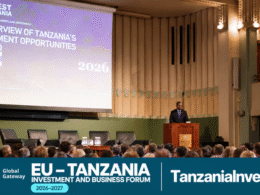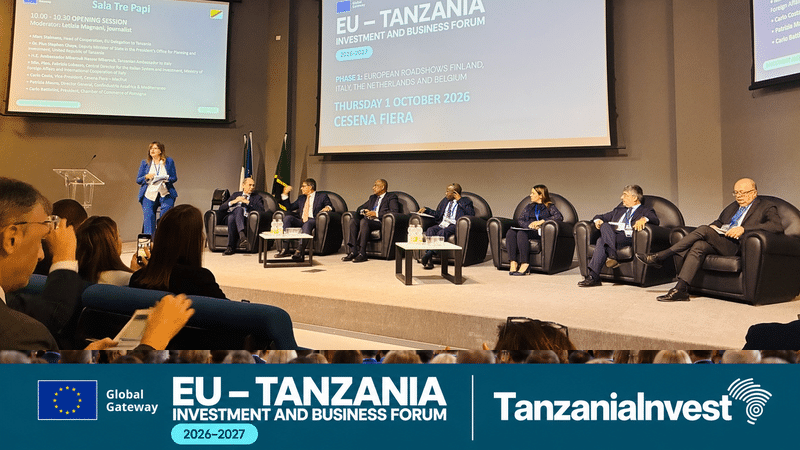




More than 400 representatives from 30 different countries representing government, academia, private industry, civil society, and international organizations met in Tanzania’s commercial capital, Dar es Salaam to discuss the creation and utilization of open data in Africa, to increase the potential growth in the continent, by providing without charge and publicly, open access to country’s statistics that can be freely used, reused and redistributed.
Tanzania was chosen as the hosting country for the Africa Open Data Conference held on September 4th and 5th, 2015 organized by the Tanzanian Government in partnership with the World Bank, since it was the first African nation in applying the new Open Data Readiness Assessment methodology in June 2013, which so far has encouraged thirteen countries in the African continent to launch their own open data initiatives.
Open Data Tanzania, an online platform where data about education and vocational training, health and social welfare, water, and from the National Bureau of Statistics (NBS) collected in four different organizations totaling 77 data sets, is available on its own website since 2011 when it was implemented.

The conference brought to Tanzania a good opportunity to share its practical experiences regarding to the usage and outcomes of the platform which according to Tanzania’s President Jakaya Kikwete has not achieved the intended impact, but left room to prepare an Open Data Policy to guide the country on how to obtain and use data to boost sustainable development in the country.
The policy, expected to be ready within the next six months, will support the development of procedures to identify government’s open data, an institutional framework for open data management and an interface where the public can access the data, explained President Kikwete during his address.
World Bank’s Country Director for Tanzania Ms. Bella Bird, explained that the implementation of an open government with open data has yielded to a positive impact on economic growth and job creation thanks to the public availability of fully integrated statistics that are translated to decision-making.
According to the NBC, Tanzania is currently spending TZS 1 billion in developing those fully integrated statistics, a cost that can be reduced in 50% if the policy correctly supports the establishment and availability of data on development issues.
Want to know more about Telecoms in Tanzania? Our free overview of the Tanzania Business and Investment Guide 2026 covers Telecoms, plus key sectors and investment opportunities. The complete 141-page edition includes policies, taxation, key regulations, full macroeconomic data, and sources, and is also available at no cost upon completion of a short form.
Download Free OverviewGet the Full Edition for Free