Tanzania Uranium Mining to Start at Namtumbo District

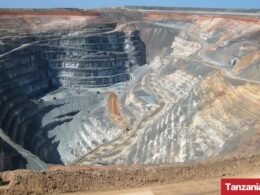
Following investigations of the area, the Tanzania Atomic Energy Commission (TAEC) has determined that the Mkuju River, Namtumbo is safe for uranium mining.

A research team from the TAEC investigated the soil of the Mkuju River located in the Namtumbo District of the Ruvuma Region, South Tanzania, about 470 km southwest of Dar es Salaam.

Their investigations revealed that the area contains no animals, agriculture and a manageable level of metal ensuring that it is safe for mining.

The Mkuju River Project is owned by Mantra Tanzania Limited who first started operating in Tanzania in 2010 and are a wholly owned subsidiary of Mantra Resources Pty Ltd., an Australian registered corporation in which Uranium One has a minority interest.

Tanzania’s former commissioner for minerals Dr Dalaly Peter Kafumu suggested that the Mkuju River mine could enable Tanzania to become the second largest uranium producer in the world.

Moreover, the project could attract foreign direct investment of USD1 billion.

A number of companies are continuing to explore the possibilities of Uranium mining in Tanzania such as Australia’s Uranex NL, Canadian mining company Uranium One and Perth based East Africa Resources Ltd.

It is estimated that Tanzania is capable of producing 14,000 tonnes of uranium per annum, an amount that would generate royalties of USD249 million.



Want to know more about Mining in Tanzania? Our free Tanzania Business and Investment Guide 2026 covers Mining, plus regulations, key sectors, and investment opportunities — all in one place.

Download Free Guide
Related Posts
Dodoma Region Investment Guide
Read More

Tanzania Government Calls for Investment in Dodoma Mining, Agriculture, Tourism and Trade

Tanzania's Finance Minister and the Dodoma Regional Commissioner have jointly called on investors to tap into opportunities in Dodoma's mining, agriculture, tourism, and trade, with mining flagged as the region's largest potential through value addition. Specific openings include a proposed dry port to leverage Dodoma's central location at the heart of Tanzania, the construction of five-star hotels and international conference centres, and the development of mineral processing facilities, alongside the rollout of the Tourism Development Strategy for Dodoma Region 2025–2030.
Anthony Mavunde Parliament Bunge
Read More

Tanzania’s 2026/27 Mining Budget Sets Ambition for Critical Minerals Leadership and Top-4 Global Niobium Producer Status

Tanzania's Ministry of Minerals has tabled a TZS 174.98 billion budget for FY 2026/27, with a revenue collection target of TZS 1.41 trillion from a sector whose GDP contribution has climbed to 11.9% and whose exports rose 31.1% to USD 5,401.9 million in 2025. The budget prioritises critical and strategic minerals, the Panda Hill niobium project expected to make Tanzania a top-4 global producer, the Buzwagi value-addition hub, and expanding geophysical survey coverage to 50% of the country by 2030.
Tanzania mineral processing
Read More

Tanzania to Build Mineral Processing Center in Shinyanga to Boost Value Addition

The Tanzanian government plans to establish a Mineral Processing Center in Mwakitolyo, Shinyanga Region, to deepen mineral value addition and expand local participation in the mineral value chain. Deputy Minister for Minerals Dr. Steven Kiruswa highlighted the initiative in Parliament, emphasizing the need to build technical capacity among youth and women from exploration to processing.
Tanzania Mahenge Graphite Project Map
Read More

Tanzania Mahenge Graphite Project Early Works to Complete by Mid-2026 Ahead of Final Investment Decision

Black Rock Mining's early works program at the Mahenge Graphite Project in Tanzania's Ulanga region is nearing completion, with final earthworks and resettlement activities expected to wrap up by late Q2 2026. Community compensation for the lower access road has been completed, the 220kV transmission line survey is finished, and all early works pricing has been validated against the 2022 FEED, positioning the project for a rapid construction ramp-up once full funding and a Final Investment Decision are secured.