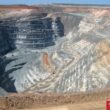
New Luika Gold Mine Finds Increased Indicated Mineral Resource

A new Mineral Resource Estimate and Ore Reserve has shown that there is potential for an additional five years of life at the New Luika gold mine.

New Luika gold mine is located in the Mbeya region, Southwest Tanzania and is fully owned by Shanta Gold mining company.

Shanta Gold focuses on gold production and exploration in East Africa and is listed on the London Stock Exchange (AIM) with ticker symbol SHG.

Tanzania Investment Guide 2026 Free Edition

According to the company’s statement in-situ Indicated Mineral Resource for New Luika increased by 9% to 692Koz with an average grade of 5.5g/t.

The company also indicates that there is a strong potential for underground mining at the mine with the possibility of a five year life extension.

Shanta’s CEO, Mike Houston, announced that the finding was part of an ongoing effort to optimize the life of the mine at New Luika and help gain an understanding for other potential targets.

Gold represents an important part of the Tanzanian economy with gold production of roughly 40 tonnes a year and gold exports valued at USD 1.86 billion for the year ending August 2013.

Tanzania is the 4th largest gold producer in Africa after South Africa, Ghana and Mali.

TanzaniaInvest Capital Markets Report Banner


Want to know more about Mining in Tanzania? Our free overview of the Tanzania Business and Investment Guide 2026 covers Mining, plus key sectors and investment opportunities. The complete 141-page edition includes policies, taxation, key regulations, full macroeconomic data, and sources, and is also available at no cost upon completion of a short form.

Download Free OverviewGet the Full Edition for Free
Related Posts
EU-Tanzania Roadshow 2026 APM Terminals at Maasvlakte Rotterdam
Read More

EU–Tanzania Roadshow Ends With Rotterdam and Antwerp Port Visits as Tanzania Pitches Port, Rail and Logistics Opportunities to European Companies

The EU-Tanzania roadshow ended in Antwerp on 6 October 2026 after port visits in Rotterdam, with Tanzania's port and rail authorities pitching openings for terminal operators, EPC contractors, private rail operators and digital rolling stock tracking, while rail operator Vecturis, minerals logistics group Polytra, heavy lifting company Sarens and marine data company GEOxyz outlined their plans in Tanzania. The EU said it will join the World Bank and the EIB, which has a formal financing request, in supporting the Dar es Salaam port expansion, and offered Global Gateway guarantees, equity and feasibility funding for company projects screened by member states.
EU-Tanzania Roadshow 2026 The Hague day 1 opening Mkumbo
Read More

EU–Tanzania Roadshow Reaches The Hague With Coffee, Cashew, Critical Minerals, and Port Investment Pitches

The EU-Tanzania roadshow reached The Hague on 5 October 2026 for its final leg, where Tanzania pitched coffee and cashew processing, wheat and edible oils, critical minerals, the new Bagamoyo and Mwambani ports on the mainland, Zanzibar's Mangapwani port hub, four dry ports, and two new lines of the standard gauge railway network to around 90 businesses. Agriculture emerged as the priority sector for European and Dutch investors, with the best opportunities in food production and value addition, backed by Dutch expertise as the world's second-largest agricultural exporter.
EU-Tanzania Roadshow 2026-2027 Helsinki day 2 critical minerals visit
Read More

Tanzanian Delegation Visits EU’s Only Nickel Smelter, Metso Research Center, and Nokia on Day Two of EU-Tanzania Roadshow in Finland

On 29 September 2026, the second day of the EU-Tanzania roadshow in Finland, the Tanzanian delegation visited Metso's Pori Research Center, where around 180 experts work on mineral processing, hydrometallurgy, battery materials, and smelting, and Boliden's Harjavalta site, home to the only nickel smelter in the EU. The digital track included visits to Nokia, the Finnish Information Security Cluster, and technology company Gofore, with talks on digital sovereignty, digital public infrastructure, and Tanzania's move to a cashless economy.