


On August 13, 2024, Tanzania’s Deputy Prime Minister and Minister of Energy, Hon. Dr. Doto Biteko, inaugurated a new 34 MW power substation at the Geita Gold Mine (GGM).
This substation enables GGM to transition from using fuel-generated power to grid electricity, significantly reducing operational costs.
During the inauguration ceremony, Dr. Biteko highlighted the importance of the substation, which represents a strong partnership between the government and the private sector.

The project involved the construction of a 33 kV power line by TANESCO at a cost of TZS 8.04 billion and the substation built by GGML for USD 24 million.
Dr. Biteko emphasized that this transition will reduce GGM’s operational costs, which were previously impacted by high fuel expenses. The mine had been spending TZS 130 billion per month on operational costs, with TZS 13.4 billion dedicated to fuel-generated electricity.
With the shift to grid power, the mine is expected to save significantly, enhancing government revenue, creating more jobs, and allowing GGM to expand its operations.
The Minister praised GGM for prioritizing the use of grid electricity, which lowers operational costs, and urged the company to pass some of these savings on to employees through improved benefits.
He also commended GGM for prioritizing local companies in providing services to the mine, aligning with the government’s commitment to supporting domestic firms in various projects.

Dr. Biteko called on the Ministry of Energy, TANESCO, and other government agencies to continue supporting the private sector due to its economic benefits, including being major taxpayers and creating employment opportunities. He also acknowledged the efforts of his predecessors, Dr. Medard Kalemani and January Makamba, in overseeing the project.
Dr. James Mataragio, Deputy Permanent Secretary of the Ministry of Energy, reported that the national electricity supply is stable, with production meeting demand. In the Geita region, 483 out of 486 villages, or 99.38%, have access to electricity, with ongoing efforts to extend power to additional settlements.
The Geita Regional Commissioner, Martine Shigella, expressed gratitude to President Samia Suluhu Hassan for fostering an investment-friendly environment that has facilitated significant contributions to the national economy. He cited the production of 51 tons of gold by GGM over the past three years as a substantial achievement contributing to Tanzania’s GDP growth.
The ceremony was attended by various government officials, Members of Parliament from Geita, TANESCO executives, and GGM representatives.
AngloGold Ashanti-Tanzania’s Vice President for Sustainable Projects, Simon Shayo, thanked the government for providing a conducive business environment and robust power infrastructure, which enable efficient operations. He noted that switching to grid electricity would reduce the mine’s energy costs by 92%.
This development is expected to increase TANESCO’s revenue by TZS 2-3 billion monthly, marking a significant boost to the national power utility’s finances.
About Geita Gold Mine
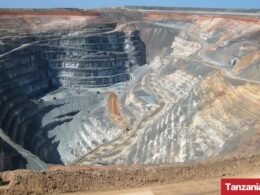
Geita Gold Mine (GGM), operated by AngloGold Ashanti, is one of Tanzania’s largest and most significant gold mining operations.
Located approximately 4 km west of Geita township and about 120 km from Mwanza City, it has been in operation since 2000, although mining activities in the area date back to the 1930s.
GGM has a significant production capacity, with annual gold output reported at approximately 610,000 ounces, with plans to increase this to around 880,000 ounces in the near future. The mine processes about 25 million tonnes of material annually, of which 7.6 million tonnes is ore.
GGM employs around 6,800 people, including contractors, with about 90% of the workforce being local Tanzanians.
Want to know more about Energy in Tanzania? Our free overview of the Tanzania Business and Investment Guide 2026 covers Energy, plus key sectors and investment opportunities. The complete 141-page edition includes policies, taxation, key regulations, full macroeconomic data, and sources, and is also available at no cost upon completion of a short form.
Download Free OverviewGet the Full Edition for Free