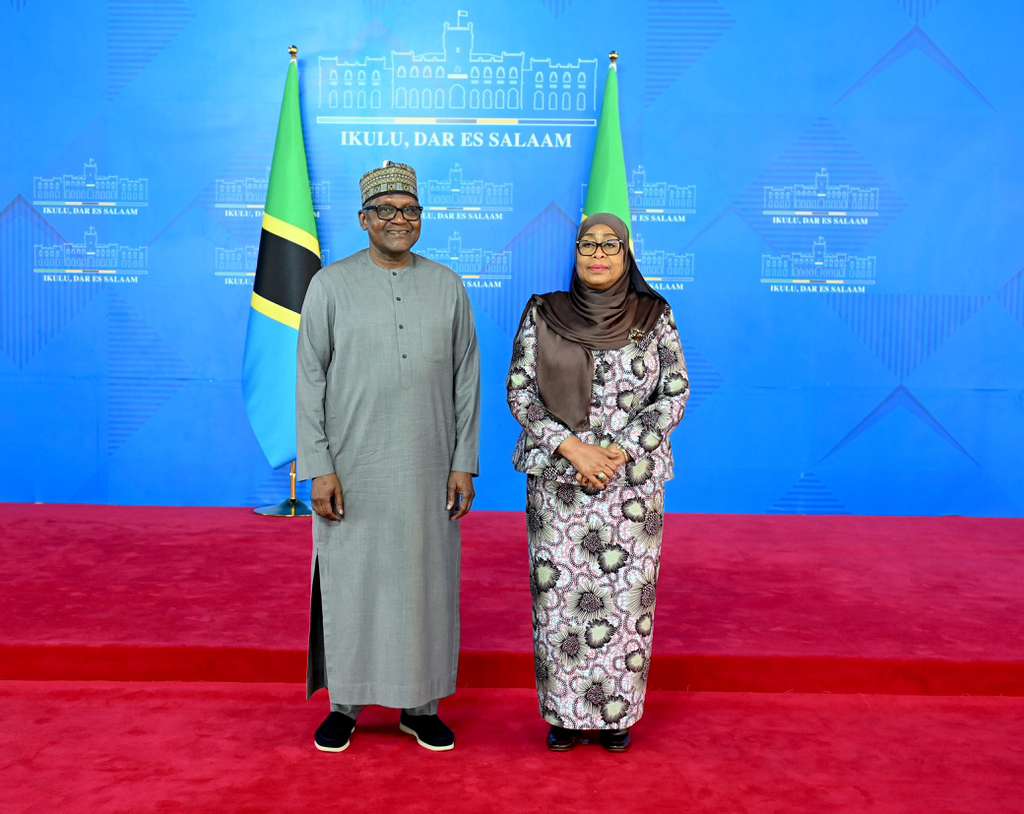
On March 1, 2025, the President of the United Republic of Tanzania, H.E. Dr. Samia Suluhu Hassan, officially laid the foundation stone for the construction of a $50 million Liquefied Petroleum Gas (LPG) storage facility in Tanga City.
The project, developed by GBP Tanzania, is part of Tanzania’s National Clean Cooking Energy Strategy, which aims to increase access to clean and sustainable cooking energy.
The facility will enhance the availability of LPG in the country, reducing reliance on traditional fuels and supporting the government’s efforts to modernize the energy sector.

The $50 million investment will establish a facility with the capacity to store large volumes of LPG, ensuring a steady supply to meet the growing demand for clean cooking energy in Tanzania.
The project is expected to create jobs, improve energy security, and contribute to the country’s economic growth. This initiative is part of the government’s broader strategy to attract private sector investments in critical sectors, including energy, to drive sustainable development.
Speaking at the event, President Dr. Samia Suluhu Hassan said, “Tanzania is open for investment, Tanzania is safe for investment, and Tanzania’s investment policies are friendly and sustainable.”
She also emphasized the importance of the project in achieving the goals of the National Clean Cooking Energy Strategy, which aims to improve access to clean energy and reduce environmental degradation caused by traditional cooking fuels.
The President added, “Hearing and seeing investors benefiting from our favorable investment environment is evidence that our business and investment policies are delivering the intended results.”

The LPG project is part of a broader effort to modernize Tanzania’s energy infrastructure and ensure access to clean energy for all citizens.
The National Clean Cooking Energy Strategy is a key initiative by the Tanzanian government to reduce the use of traditional cooking fuels, improve public health, and support environmental conservation.
Tanga City, where the project is located, is a strategic hub for trade and investment in Tanzania.
The city is home to the Port of Tanga, which has recently undergone significant upgrades through a TZS 429 billion government investment to enhance its capacity and efficiency.
The Port now handles over 1.2 million tonnes of cargo annually, an increase from the previous capacity of 400,000 tonnes per year.
President Hassan shared that plans are underway to transform the port into a dedicated hub for handling fertilizers and agricultural products.