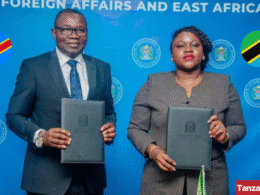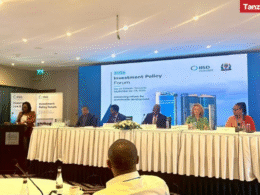



On March 18, 2026, the Presidential Commission on Tax Reforms, chaired by Ambassador Ombeni Sefue, officially submitted its comprehensive report to President Samia Suluhu Hassan.
The report outlines 284 specific Tanzania tax system reforms aimed at overhauling the national fiscal framework, simplifying corporate compliance, and improving the overall business environment.
According to the commission’s findings, the current tax system is structurally impaired, administratively burdensome, and increasingly misaligned with the demands of a modern, investment-driven economy.

The main findings and identified challenges from the commission’s report include:
- The existence of high and unpredictable tax rates alongside the introduction of new levies without adequate consideration of broader national economic goals.
- Inefficient tax dispute resolution processes that severely lack independence, transparency, and timely outcomes.
- Multiple tax-collecting authorities operating without sufficient coordination, which results in frustrating overlapping charges and heavy administrative burdens for businesses.
- The absence of an inclusive system that adequately recognizes and supports micro and small businesses, especially startups and youth entrepreneurs.
- A stubbornly low formalization of businesses primarily driven by complex and costly registration procedures.
- The continued prevalence of cash transactions despite the country’s readiness for digital and cashless payment systems.
- Fragmented tax administration IT systems that lack integration and user-friendly digital applications.
- Outdated tax laws and the glaring lack of a unified national tax policy to guide strategic economic direction.
To address these deeply rooted systemic issues, the commission’s report outlines 284 specific reform proposals to chart a course toward a twenty-first-century tax regime capable of reaching a 22% tax-to-GDP ratio by 2050.
The key reforms proposed by the commission to overhaul the system include:
- Establishing a unified National Tax Policy and enacting a comprehensive Taxation Act to harmonize existing laws, reduce overlapping complexities, and anchor taxation within long-term development ambitions.
- Rationalizing the multiplicity of regulatory charges by requiring explicit approval from the Minister of Finance before any government entity can introduce new fees or levies.
- Advancing a digital transformation toward a “faceless, cashless, and paperless” administration supported by automated audits using artificial intelligence and a mobile application for registration, filing, and payments.
- Expanding the tax base through a formalization strategy that includes simplified digital business registration, automatic Tax Identification Number allocation, and initial tax exemptions targeted at startups.
- Transforming the Tanzania Revenue Authority (TRA) into a more service-oriented entity to be tentatively known as the Tanzania Revenue Service (TRS).
- Reforming the dispute resolution mechanisms by mandating a maximum of 90 days for the tax authority to determine objections.
- Restructuring judicial processes by establishing a clear Tax Appeals Tribunal and creating a specialized tax division within the High Court, supported by expert judges.
Following the release of the report, the Tanzania Private Sector Federation (TPSF) published an official assessment welcoming the proposed changes as a vital transition toward a system aligned with economic growth and investment promotion.
The private sector body anticipates that these structural reforms will fundamentally alter how firms interact with the state by shifting the landscape from one of complexity and uncertainty to one that is highly predictable and efficient.

The Federation noted that rationalizing multiple taxes and enhancing institutional coordination will significantly lower administrative compliance costs across all economic sectors.
Additionally, the organization highlighted that strategic commitments to timely Value Added Tax refunds and faster dispute resolution will directly resolve long-standing liquidity and legal challenges historically faced by major investors and contractors.
The full and intelligent implementation of these recommendations is projected to increase government revenue by TZS 11.025 trillion over three years, reflecting an intermediate tax-to-GDP ratio of 18%.
Consequently, TPSF affirmed its complete readiness to support the government in translating these numerous recommendations into actionable, investor-friendly reforms.
The Presidential Commission on Tax Reforms was officially launched in October 2024, in response to persistent complaints from the local and international business communities.
Investors operating in Tanzania had long raised serious grievances over unpredictable tax rates, the continued prevalence of inefficient cash transactions, and overlapping charges from multiple collecting authorities that stifle business formalization.
President Samia Suluhu Hassan has publicly reaffirmed the government’s strong commitment to reviewing and implementing the commission’s recommendations across short, medium, and long-term horizons to raise domestic revenue mobilization.
Want to know more about the Economy in Tanzania? Our free overview of the Tanzania Business and Investment Guide 2026 covers the Economy, plus key sectors and investment opportunities. The complete 141-page edition includes policies, taxation, key regulations, full macroeconomic data, and sources, and is also available at no cost upon completion of a short form.
Download Free OverviewGet the Full Edition for Free