
The Government of Tanzania is set to establish a Mineral Processing Center in Mwakitolyo, Shinyanga Region, as part of its strategy to deepen mineral value addition and unlock the region’s economic potential.
The initiative was announced in Parliament by the Deputy Minister for Minerals, Dr. Steven Kiruswa, who underscored Shinyanga’s strategic importance within Tanzania’s mining ecosystem.
Dr. Kiruswa highlighted the urgent need to build technical capacity among youth and women, and to expand participation across the entire mineral value chain, from exploration to processing.

The new facility is expected to serve as a model center, enabling artisanal and small-scale miners in the region to add value to minerals locally rather than exporting raw materials.
While plans for a dedicated mining college in Shinyanga are under consideration, the government continues to leverage existing institutions in Dar es Salaam and Tabora to deliver mining education and training.
Young Tanzanians are encouraged to take advantage of opportunities offered by key training institutions, including the Tanzania Gemological Centre (TGC) in Arusha and the Mineral Resources Institute (MRI) in Dodoma.
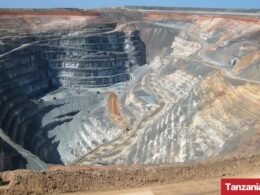
The Shinyanga Region is one of Tanzania’s most significant mining areas, home to extensive gold and diamond deposits that have long attracted both large-scale and artisanal mining activity.
Major operations include the Bulyanhulu Gold Mine and the Buzwagi Gold Mine, as well as the Williamson Diamond Mine, one of Africa’s oldest diamond operations.

The region is also home to thousands of artisanal and small-scale miners, who play a substantial role in Tanzania’s gold supply chain.
Tanzania’s mining sector contributed reached 10% to the country’s GDP, with the government pursuing policies to increase local content and retain more value from mineral resources within the country.
Want to know more about Mining in Tanzania? Our free overview of the Tanzania Business and Investment Guide 2026 covers Mining, plus key sectors and investment opportunities. The complete 141-page edition includes policies, taxation, key regulations, full macroeconomic data, and sources, and is also available at no cost upon completion of a short form.
Download Free OverviewGet the Full Edition for Free