

Early last week, the foundation was laid for a new bank at Kakola in the Kahama district of the Sinyanga Region, thus beginning a project which, upon completion, is expected to prove beneficial for both the Tanzania banking and the mining sectors.
The deputy minister for Regional Administration and Local Government, Mr. Aggrey Mwanri, was present at the opening ceremony for the construction of a new USD 230,000 bank building that is expected to serve as a method of channeling the salaries of the mine employees and of the Kahama district council.
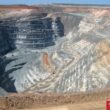
Currently, the Kahama district council supports two of the most important sources of gold in the Tanzania mining sector, the Bulyanhulu and the Buzwagi mines, both of which are owned by Barrick Gold Tanzania Ltd. (BGML).
In addition to the estimated cost for the construction of the new bank building in the region, the cost of which is estimated to reach between USD 220,000 and USD 230,000, the BGML is also currently investing approximately USD 400 million into the further development of the Buzwagi mine.

Approximately 3,000 people, most of whom are locals, are employed by BGML and are currently only able to access banking services in the distant towns of Kahama and Geita.
According to Mr. Mwanri, the idea for the new bank project has come at an appropriate time because the economy of the Kahama district is currently growing at such a rapid pace that is is capable of supporting the establishment of a new bank, which is expected to both benefit the miners in the region and to help provide support to the surrounding communities, which will, in turn, help further the economic progress in the region.
“The bank will promote banking services in the communities surrounding the mine and [will also provide] other benefits such as loans,” said Mr. Mwanri.
According to the mine’s communication officer, Ms. Brandina Munghezi, negotiations have already begun with Stanbic Bank in order for them to begin operations in the bank very soon.
“It is hoped that the bank will open doors for business early next year,” said Ms. Munghezi.

The opening of the bank in the Kahama district will help ease some of the problems and stresses that face mine employees as well as the surrounding communities as a whole due to the lack of availability of banking services.
In addition to this project, the general manager of BGML, Greg Walker, has said that the mining company has also set aside an additional Sh4 billion for community development projects that will begin next year in the, with top priority for the funding being directed towards the education, health and water sectors getting top priority.
Want to know more about Banking in Tanzania? Our free overview of the Tanzania Business and Investment Guide 2026 covers Banking, plus key sectors and investment opportunities. The complete 141-page edition includes policies, taxation, key regulations, full macroeconomic data, and sources, and is also available at no cost upon completion of a short form.
Download Free OverviewGet the Full Edition for Free