

Tanzania Energy Budget 2021/2022: Power Generation is Priority

Tanzania energy budget 2021-2022

Tanzania’s Minister of Energy Dr. Medard Kalemani has presented to parliament the ministerial budget for the financial year 2021/22, which will focus on power generation, rural electrification, oil and gas exploration, and development of the Uganda-Tanzania oil pipeline.

Dr. Kalemani stressed that the Ministry will continue to implement various power generation projects to reach 5,000 MW of installed capacity in the next five years.

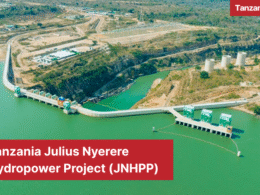
These include the Julius Nyerere Hydroelectric Power Project (2,115 MW), Ruhudji (358 MW) and Rumakali (222 MW), the extension of Kinyerezi I (185 MW), Rusumo (80 MW), Malagarasi (49 MW), Mtwara (300 MW) and Somanga Fungu (330 MW).

Tanzania Investment Guide 2026 Free Edition

The Government will also continue to implement numerous projects to strengthen electricity transmission throughout the country and attract investments in the energy sector.

For this, 98.9% of the tabled budget of TZS 2.38 trillion will be used for development projects. TZS 2.17 trillion would be mobilized from domestic sources.

Tanzania Power Production

Tanzania’s electricity generation comes mostly from natural gas (48%), followed by hydropower (31%), petrol (18%), solar (1%), and biofuels (1%).

Want to know more about Energy in Tanzania? Our free overview of the Tanzania Business and Investment Guide 2026 covers Energy, plus key sectors and investment opportunities. The complete 141-page edition includes policies, taxation, key regulations, full macroeconomic data, and sources, and is also available at no cost upon completion of a short form.

Download Free OverviewGet the Full Edition for Free

Related Posts
Read More

EU–Tanzania Roadshow Continues in Italy With Rice, Cashew, Coffee and Renewable Energy Investment Pitches in Cesena

At the Cesena stop of the EU–Tanzania roadshow, Tanzanian agencies presented investment opportunities in rice, cashew and coffee processing, renewable energy, power transmission and digital infrastructure. Italy’s Ministry of Foreign Affairs cited USD 8.6 billion in foreign investment registered in Tanzania in the last year, up 56%, while EU and Italian institutions outlined grants, guarantees, export credit and blended finance.
Songo Songo Offshore Gas
Read More

Orca Warns Its Operation of Tanzania’s Songo Songo Gas Field May End on 10 October as Sale Awaits Approvals

Orca Energy Group has warned that its subsidiary may cease operating Tanzania’s Songo Songo gas field, which supplies natural gas to power plants and industries, when its licence expires on 10 October 2026. The proposed sale to Taifa Gas and Amber Energy Investment remains subject to approvals, and PanAfrican Energy Tanzania has recommended preparations for a possible transfer of operating responsibilities.
Tanzania Julius Nyerere Hydropower Project (JNHPP)
Read More

Tanzania Electricity Surplus Hits 2,375 MW As Julius Nyerere Hydropower Project Is Officially Launched

The Julius Nyerere Hydropower Project's 2,115MW plant lifted Tanzania's installed generation capacity to 4,646MW against peak demand of 2,271MW, with a surplus of 2,375MW, after President Samia Suluhu Hassan's inauguration on 22 August 2026. The government has signed an agreement to export power to Zambia and reached a trading arrangement with Kenya, while a newly completed 400kV Chalinze-Dodoma transmission line lifted national peak demand by 150MW within three days of coming online.
Presidents Samia Suluhu Hassan and Yoweri Museveni witness the Tanga Regional Energy Hub MoU signing, State House Dar es Salaam
Read More

Tanzania, Uganda Sign MoU for USD 20 Billion Tanga Energy Hub

Tanzania and Uganda signed a Memorandum of Understanding at State House on 6 August 2026 to develop Tanga as a Regional Energy Hub, a deal Tanzania's Energy Minister said could attract investment exceeding USD 20 billion. The agreement, signed by the Uganda National Oil Company, the Tanzania Petroleum Development Corporation, and Vitol Bahrain E.C., covers petroleum storage, refining, logistics, and distribution infrastructure at the port of Tanga, building on the East African Crude Oil Pipeline.