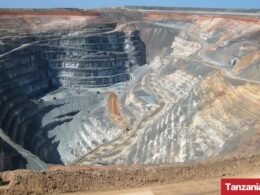



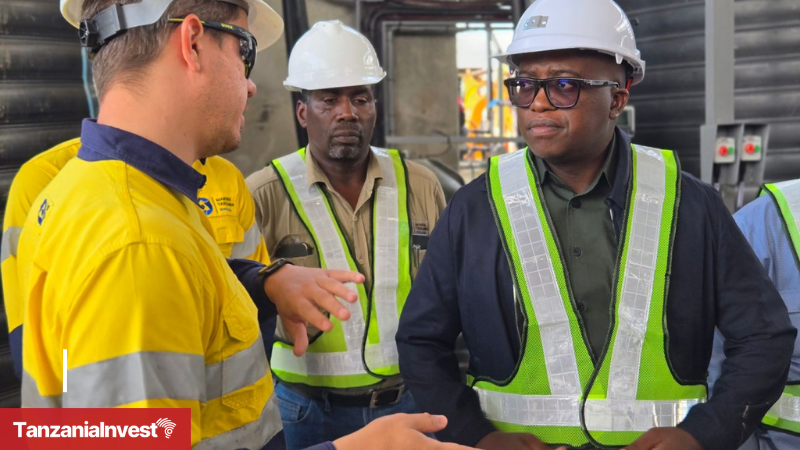
Tanzania is set to commence a strategic uranium mining project in Namtumbo District, Ruvuma Region, following the completion of a pilot uranium processing plant by Mantra Tanzania Ltd, the Ministry of Minerals recently announced.
The project is estimated to cost over TZS 3.06 trillion and involves the extraction and value addition of uranium within the country.
According to the ministry, the deposit holds an estimated 139 million tonnes of uranium ore with a projected mine life of 22 years, and is expected to generate over 4,000 direct jobs and more than 100,000 indirect jobs.

In addition, Mantra Tanzania has begun discussions with the government regarding the construction of a uranium-powered electricity generation plant.
Speaking during an inspection visit to the site on 18 July 2025, Tanzania’s Minister of Minerals, Anthony Mavunde, stated that the project aligns with the government’s priority of domestic value addition in the mining sector.
He emphasised that the initiative demonstrates the government’s commitment to implementing its industrial agenda: “One of the Sixth Phase Government’s priorities under President Samia Suluhu Hassan is value addition to minerals. The President has given specific instructions to the Ministry to oversee this,” he said.
“The commencement of this project, which includes construction of a uranium value addition plant, shows the government’s commitment in action. The Ministry of Minerals will continue to provide full supervision to ensure the country benefits,” Mavunde added.
Majani Moremi, Project Development Manager at Mantra Tanzania Ltd, thanked the government for its support, which has enabled the company to reach the implementation stage. He said the project is expected to bring tangible benefits to the country.

Ruvuma Regional Commissioner Colonel Ahmed Abbas also thanked President Samia for creating a favourable investment environment that led to the implementation of the project in the region, pledging continued cooperation with the investor for the benefit of Namtumbo residents.
Tanzania’s Uranium
Tanzania hosts significant uranium deposits, particularly in the southern part of the country, with the most prominent project being the Mkuju River Project (MRP) located in Namtumbo District, Ruvuma Region.
The Mkuju River Project is being developed by Mantra Tanzania Ltd, a subsidiary of Uranium One Group, which is part of Rosatom, the Russian state nuclear energy corporation.
The MRP is Tanzania’s most advanced uranium project and has been under development since the mid-2000s.
It is located within the Selous Game Reserve, and in 2012, the UNESCO World Heritage Committee approved Tanzania’s request to excise a small portion of the reserve to allow for mining.
The project was initially put on hold in 2013 due to low global uranium prices, but exploration and regulatory work continued.
As of 2025, with improved uranium market conditions and renewed investor interest, the project has resumed progress.
The renewed focus on uranium extraction is part of the government’s strategy to attract investment, generate revenue, create employment, and enhance energy security as part of its broader strategy to diversify the energy mix and improve power supply reliability.
Want to know more about Mining in Tanzania? Our free overview of the Tanzania Business and Investment Guide 2026 covers Mining, plus key sectors and investment opportunities. The complete 141-page edition includes policies, taxation, key regulations, full macroeconomic data, and sources, and is also available at no cost upon completion of a short form.
Download Free OverviewGet the Full Edition for Free