


The 2014 Economic Report on Dynamic Industrial Policy in Africa by United Nations Economic Commission for Africa (UNECA) ranked Tanzania among the top performers on the African continent with regards to GDP growth rates, trade volumes, and private-public participation.
According to the report, Tanzania is among top ten African countries with regards to growth rates in the period of 2009-2013, averaging 6.7% each year, mainly due to investments in natural gas and increased private consumption.
The World Bank overview adds that economic growth is also occurring due to the improvement of capital intensive sectors such as communications, financial services, construction, manufacturing and retail trade sectors.

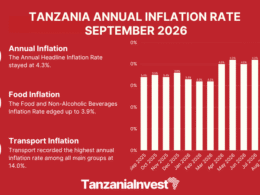
Tanzanian economy is expected to continue being on the same growth trajectory, , with inflation rates currently at 6% slowly going down, according to the World Bank.
UNECA report also mentions that East African countries such as Ethiopia, Kenya, and Tanzania are expected to increase their export volumes despite the overall African trade decline trends.
Tanzania’s economy had also become more open, and its trade-to-GDP ratio exceeded 30%, and is expected to grow with the discovery of natural gas according to the World Bank.
Private sector participation is also increasing in Tanzania, especially in such sectors as infrastructure development and agriculture, and UNECA remains hopeful that Tanzania continues on the same path.
United Nations Economic Commission for Africa, being established in 1958, provides technical advisory services to African governments, intergovernmental organizations and institutions. It promotes the economic and social development of African countries, fosters intra-regional integration, and encourages international cooperation for Africa’s development.

Want to know more about the Economy in Tanzania? Our free overview of the Tanzania Business and Investment Guide 2026 covers the Economy, plus key sectors and investment opportunities. The complete 141-page edition includes policies, taxation, key regulations, full macroeconomic data, and sources, and is also available at no cost upon completion of a short form.
Download Free OverviewGet the Full Edition for Free