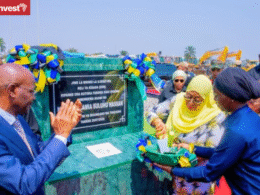



Tanzania’s Ministry of Energy has officially presided over the launch of Dow Elef Auto EV (ZERA) in Dar es Salaam to introduce modern electric mobility solutions to the local market.
The launch ceremony was held on March 6, 2026, marking a formal step by the government to integrate advanced automotive technology into the national transportation network.
Engineer Felchesmi Mramba, the Permanent Secretary of the Ministry of Energy, officiated the event and emphasized that the launch represents a significant shift in the country’s energy utilization strategy.

The government confirmed that this new operational rollout is designed to provide sustainable and cost-effective transport options for the public while reducing reliance on traditional fuels.
According to data presented during the launch, these electric vehicles offer a drastic reduction in running costs, requiring only TZS 25 per kilometer compared to the TZS 200 required for fuel-powered cars.
This 85% reduction in operating expenses is intended to lower the overall cost of living and business logistics for Tanzanians across the country.
“This launch is an important step in the revolution of the transport sector in the country and aligns with the efforts of the Sixth Phase Government to promote investment,” stated Engineer Mramba.
Mramba added that the launch is supported by the National Electric Vehicles Policy Framework, which was passed by the government in December 2024 to create a conducive environment for investors.

The framework specifically encourages the production and use of electric vehicles while linking the sector to Tanzania’s expanding renewable energy grid and charging infrastructure.
Emmanuel Kazimoto, the Director of DOW ELEF AUTO EV (ZERA), stated that the company has officially begun operations by importing fully built electric vehicle units for the local market.
Kazimoto further detailed that the company’s strategic plan involves a phased approach, eventually moving toward the importation of components for domestic assembly.
“The future goal is to establish an electric vehicle assembly plant in the country, a move that will stimulate employment and build modern technology skills among Tanzanian youth,” Kazimoto said.
The launch takes advantage of Tanzania’s significantly improved power sector, which now boasts a production capacity of over 4,500 MW and a national electricity access rate of 85.5%.
Tanzania already has an estimated 10,000 electric-powered transport units in operation, including motorcycles and three-wheelers, and this launch is expected to accelerate the adoption of four-wheeled vehicles.
Want to know more about Transport in Tanzania? Our free overview of the Tanzania Business and Investment Guide 2026 covers Transport, plus key sectors and investment opportunities. The complete 141-page edition includes policies, taxation, key regulations, full macroeconomic data, and sources, and is also available at no cost upon completion of a short form.
Download Free OverviewGet the Full Edition for Free