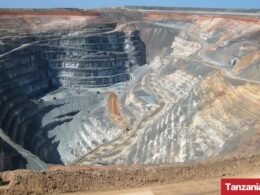


Tanzania’s Mahenge Liandu Graphite Project is one step closer to implementation with the submission of Environmental and Social Impact Assessment (ESIA) to the National Environment Management Council (NEMC).
This was announced on the 8th of September by the project’s operator, Armadale Capital (LON: ACP), an investment group focused on natural resource projects in Africa.
NEMC explains that this is one of the final steps before recommendation for the granting of the environmental permit (ESIA approval) which will allow the granting of the mining license.

The Mahenge Liandu project is located in south-east Tanzania and has an estimated mine life of 15 years. The indicated mineral resource stands at 59.5 tonnes.
Armadale Chairman, Nick Johansen, commented: “We are delighted to announce another crucial step in the development of the Mahenge Liandu Graphite Project with the completion and submission of the Environmental and Social Impact Assessment, which is one of the final necessary components in the Mining Licence application process. I would like to thank all those involved for their efforts and we look forward to working with the NEMC as we advance toward the completion of this process.
“Alongside the progression toward receipt of the Mining Licence for the Project, which will be an important de-risking milestone for the Company, we maintain focus on finalising ongoing financing discussions so that we can commence construction and realise the value of Mahenge Liandu for the benefit of all stakeholders. Accordingly, we continue to positively engage in development funding options, including debt package and project level development funding, and our offtake workstreams are also progressing preparations to commence the Front End Engineering Design study (‘FEED’).”
Tanzania’s largest graphite deposits are located in the central and east southern regions of the country.

Graphite discoveries in Tanzania come mainly from Australia based graphite developers, Magnis Resources (ASX:MNS), Volt Resources (ASX:VRC) and Kibaran Resources (ASX:KNL).
Active graphite projects in Tanzania include Bunyu, Epanko, Nachu, and Namangale.
Want to know more about Mining in Tanzania? Our free overview of the Tanzania Business and Investment Guide 2026 covers Mining, plus key sectors and investment opportunities. The complete 141-page edition includes policies, taxation, key regulations, full macroeconomic data, and sources, and is also available at no cost upon completion of a short form.
Download Free OverviewGet the Full Edition for Free