

At the 5th Tanzania Energy Cooperation Summit (TECS) 2024, organized by EnergyNet in Arusha on 31st January – 1st February, Tanzania showcased its strategic plans for expanding its energy sector, with a significant focus on increasing power generation capacity and inviting investment.
The event, highlighted by the participation of key figures, brought together regional ministers, energy officials, and industry leaders to discuss the future of energy in Tanzania and the East African region.
Power Generation Goals and Investment Opportunities

“Investment opportunities exist in the energy sector in Tanzania. And we have also put in place more conducive measures to support the drive,” stated Innocent Luoga, Commissioner for Electricity and Renewable Energies at the Ministry of Energy, United Republic of Tanzania.
He emphasized the government’s aim to elevate its power generation capacity to 5,000MW by 2025 from the current installed capacity of 1,938MW and the grid installed capacity of 1,899MW.
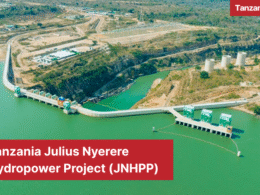
“With the completion of the Julius Nyerere hydropower project and increased use of natural gas, at least 5,000MW would be generated by the end of 2025,” Luoga added, underlining the shift towards a more sustainable and diversified energy mix in Tanzania.
He stressed that the national energy sector is ripe for investments in infrastructure such as oil pipelines, petroleum reserves, and LPG storage facilities.
Renewable Energy at the Heart of Tanzania’s Energy Strategy

The renewable energy segment, poised to contribute 20% to the grid by next year, presents significant opportunities for private sector engagement.
“Tanzania has a potential to generate 5,000MW from geothermal sources, 1,000MW from solar, and 3,000MW from wind energy,” Luoga highlighted, indicating vast areas for growth and investment despite the current modest utilization of these resources.
Financial Framework and Collaboration Opportunities
“The government’s plan is to increase electricity generation to 5,000MW by 2025,” shared Mr. Gissima Nyamo-Hanga, Managing Director of the national utility company TANESCO, noting the financial implications and the need for collaboration to meet these ambitious targets.
Gas Role in Supporting Energy Goals
“With significant discoveries offshore, the Tanzania Petroleum Development Corporation (TPDC), is focused on expanding gas production to support domestic energy needs and potential export opportunities,” highlighted Kenneth Mutanga, Director of Exploration, Development and Production at TPDC, emphasizing the strategic direction for ensuring sufficient gas supply.
Challenges and Opportunities Ahead
Addressing the challenges, Luoga mentioned, “The high cost of investments in the energy projects, the shortage of the critical human resources, and the trade barriers,” as key hurdles to overcome. However, he also pointed out the strategic focus on renewable energy as a blueprint for overcoming these challenges and unlocking Tanzania’s energy potential.
EAC’s Support for Regional Energy Integration
“Reliable supply of energy would enhance industrial production and boost the EAC economies through wealth creation,” stated Andrea Arik Malueth, the Deputy Secretary-General of the East African Community (EAC) responsible for infrastructure, highlighting the regional commitment to energy sector development.
All in all, TECS 2024 effectively highlighted Tanzania’s comprehensive strategy for energy sector development, inviting global investors to be part of the country’s journey towards energy sustainability and capacity enhancement, driving economic growth and regional integration.
Want to know more about Energy in Tanzania? Our free overview of the Tanzania Business and Investment Guide 2026 covers Energy, plus key sectors and investment opportunities. The complete 141-page edition includes policies, taxation, key regulations, full macroeconomic data, and sources, and is also available at no cost upon completion of a short form.
Download Free OverviewGet the Full Edition for Free