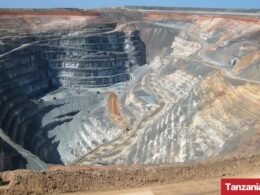
A leader in Tanzania mining, the ATHI River Mining Group (ARM), currently has plans for an aggressive expansion project, that was designed in order to help encourage and improve the overall rate of production at their cement manufacturing locations.
According to the managing director of the ARM organization, Pradeep Paunrana, the Kaloleni plant will have a production capacity of 650,000 tons after the expansion project has been completed.
“We have taken advantage of better prices in Tanzania as well as in South Africa where use of coal offers lower production costs,” said Mr. Paunrana.

Current figures indicate that the lowest offer for the cost of production per ton of cement is available through ARM and is six per cent higher at Bamburi and 19 percent higher at East African Portland Cement
Based on these figures, ARM has a significant competitive advantage and, according to industry watchers this, in combination with the Rhino cement brand that is sold by ARM, could help to fuel a serious price war.
According to a report by the Daily News, Mr. Praunrana expects that the new Kaloleni plant will be completed and operational by September or October of this year.
Due to a general shortfall in cement production capacity in the East African region, there is currently a deficit in the infrastructure and housing markets, which is expected to help keep the production of cement in high demand.
“Production capacity is still low,” said Mr. Paunrana, “and this is an opportunity for ARM.”

Production rates for last year are estimated to have been close to one million tons at the same time as local production rates increased to 2.8 million tons, with the overall market rate growing by approximately 33 percent.
Currently, the cement manufacturer, Tororo Cement, is the only firm in the country that has announced an increase of 350,000 tons per year in capacity during the 2008/2009 year, however, at the same time, ARM is the only organization that has shown signs of employing additional capacity.
The current per capita cement consumption in Tanzania is 65kg; which is considered to be low compared to other developing countries, however, because the local cement manufacturing capacity within the country is currently growing at an annual rate of 16 percent, it is expected that the overall cement consumption in the country will double in the next five years.
While demand for cement in the East African region is expected to grow from 5.6 tons to 11 tons in 2010, Tanzania still faces the cement production deficits, but the industry is still protected by the likelihood of economic slowdowns that are expected to be created by a deficit in housing and infrastructure.
Want to know more about Mining in Tanzania? Our free overview of the Tanzania Business and Investment Guide 2026 covers Mining, plus key sectors and investment opportunities. The complete 141-page edition includes policies, taxation, key regulations, full macroeconomic data, and sources, and is also available at no cost upon completion of a short form.
Download Free OverviewGet the Full Edition for Free