

Eastern Africa Power Pool Ministers Agree to Accelerate Regional Electricity Market

Eastern Africa Power Pool (EAPP) member states have agreed to speed up the implementation of a regional electricity market aimed at expanding cross-border electricity trade and strengthening energy security. Tanzania said the initiative will support industrial growth, attract investment, and improve the reliability of electricity supply across the region.
Eastern Africa Power Pool (EAPP) 2026 Council of Ministers Meeting

Energy ministers from member states of the Eastern Africa Power Pool (EAPP) have agreed to accelerate the implementation of a regional electricity market to expand cross-border power trade, improve energy security, and strengthen electricity access across Eastern Africa.

EAPP is a regional organization that promotes cooperation among electricity utilities and governments in Eastern Africa through cross-border power interconnections and electricity trade.

The resolution was adopted during the 22nd EAPP Council of Ministers meeting held in Addis Ababa, Ethiopia, on July 9-10, with Tanzania represented by Deputy Minister of Energy Salome Makamba on behalf of the Minister of Energy.

Tanzania Investment Guide 2026 Free Edition

The meeting brought together energy ministers, electricity utility executives and representatives from the regional energy sector to discuss measures to deepen regional cooperation through interconnected national power grids, increased electricity trade and more efficient use of energy resources.

According to the resolutions adopted, the common electricity market is expected to establish a framework that will enable member states to trade electricity more efficiently while improving the reliability of power supply, supporting economic growth, attracting investment and contributing to social development across the region.

Speaking after the meeting, Tanzania’s Deputy Minister for Energy, Salome Makamba, said the decisions would help increase the reliability of electricity supply, reduce power shortages and outages among member states, and improve the competitiveness and operational efficiency of electricity institutions through greater exchange of expertise and technology.

Makamba added that a more reliable electricity supply would support the growth of small, medium-sized, and large industries, stimulate production, attract investment and create employment opportunities for young people, while also expanding opportunities for Tanzanians to participate in technical activities within the EAPP.

Concluding the meeting, Ethiopian Minister of Water and Energy Habtamu Itefa, who chairs the EAPP Council of Ministers, said regional cooperation and solidarity remain essential for integrating electricity systems and ensuring that citizens across member countries have access to safe, reliable, and sustainable electricity services.

TanzaniaInvest Capital Markets Report Banner

Want to know more about Energy in Tanzania? Our free overview of the Tanzania Business and Investment Guide 2026 covers Energy, plus key sectors and investment opportunities. The complete 141-page edition includes policies, taxation, key regulations, full macroeconomic data, and sources, and is also available at no cost upon completion of a short form.

Download Free OverviewGet the Full Edition for Free

Related Posts
Read More

EU–Tanzania Roadshow Continues in Italy With Rice, Cashew, Coffee and Renewable Energy Investment Pitches in Cesena

At the Cesena stop of the EU–Tanzania roadshow, Tanzanian agencies presented investment opportunities in rice, cashew and coffee processing, renewable energy, power transmission and digital infrastructure. Italy’s Ministry of Foreign Affairs cited USD 8.6 billion in foreign investment registered in Tanzania in the last year, up 56%, while EU and Italian institutions outlined grants, guarantees, export credit and blended finance.
Songo Songo Offshore Gas
Read More

Orca Warns Its Operation of Tanzania’s Songo Songo Gas Field May End on 10 October as Sale Awaits Approvals

Orca Energy Group has warned that its subsidiary may cease operating Tanzania’s Songo Songo gas field, which supplies natural gas to power plants and industries, when its licence expires on 10 October 2026. The proposed sale to Taifa Gas and Amber Energy Investment remains subject to approvals, and PanAfrican Energy Tanzania has recommended preparations for a possible transfer of operating responsibilities.
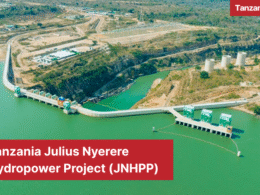
Tanzania Julius Nyerere Hydropower Project (JNHPP)
Read More

Tanzania Electricity Surplus Hits 2,375 MW As Julius Nyerere Hydropower Project Is Officially Launched

The Julius Nyerere Hydropower Project's 2,115MW plant lifted Tanzania's installed generation capacity to 4,646MW against peak demand of 2,271MW, with a surplus of 2,375MW, after President Samia Suluhu Hassan's inauguration on 22 August 2026. The government has signed an agreement to export power to Zambia and reached a trading arrangement with Kenya, while a newly completed 400kV Chalinze-Dodoma transmission line lifted national peak demand by 150MW within three days of coming online.
Presidents Samia Suluhu Hassan and Yoweri Museveni witness the Tanga Regional Energy Hub MoU signing, State House Dar es Salaam
Read More

Tanzania, Uganda Sign MoU for USD 20 Billion Tanga Energy Hub

Tanzania and Uganda signed a Memorandum of Understanding at State House on 6 August 2026 to develop Tanga as a Regional Energy Hub, a deal Tanzania's Energy Minister said could attract investment exceeding USD 20 billion. The agreement, signed by the Uganda National Oil Company, the Tanzania Petroleum Development Corporation, and Vitol Bahrain E.C., covers petroleum storage, refining, logistics, and distribution infrastructure at the port of Tanga, building on the East African Crude Oil Pipeline.