


EXIM Bank to Expand its Network in Tanzania

EXIM Bank Tanzania inaugurated on 28Th January 2013 the EXIM Kilimanjaro Branch in Moshi, in the North of the country.

The city of Moshi, at the slopes of Mount Kilimanjaro, is renowned for its coffee and other crops production and to hold the Tanzania Coffee Exchange.

During the inauguration ceremony, the Bank’s Manging Director, Mr Anthony Grant, stated that Exim has a positive outlook on Tanzania’s development and will continue to strive to reach those areas of the country where no other banks are present.

Tanzania Investment Guide 2026 Free Edition

Founded in 1997, Exim Bank is one of the fastest growing and innovative in Tanzania, with total assets of TZS 875,767 Million (USD 542,800).

The bank recently announced its plans to open five additional branches in Shinyanga, Tabora, Arusha and Dar es Salaam by the end of 2013.

Want to know more about Banking in Tanzania? Our free overview of the Tanzania Business and Investment Guide 2026 covers Banking, plus key sectors and investment opportunities. The complete 141-page edition includes policies, taxation, key regulations, full macroeconomic data, and sources, and is also available at no cost upon completion of a short form.

Download Free OverviewGet the Full Edition for Free
Related Posts
Bank of Tanzania IFC Agreement SME credit access
Read More

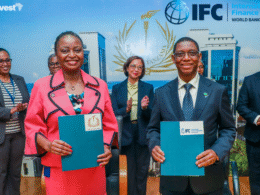
IFC and BOT Sign Agreement to Expand SME Credit Access

The International Finance Corporation (IFC) and the Bank of Tanzania (BOT) will strengthen credit reporting and expand access to finance for SMEs, including women-owned and youth-led businesses. IFC will provide technical expertise to strengthen credit information systems and explore using alternative data in credit assessments.
Tanzania Khamis Mussa Omar Parliament bunge
Read More

Tanzania Tables Bill to Let Banks Accept Movable Assets as Loan Collateral, Targets 50% Credit-to-GDP by 2030

Tanzania's Minister for Finance, Ambassador Khamis Mussa Omar, tabled a Bill in the National Assembly in Dodoma that would let banks accept movable assets as loan collateral, creating a legal framework for registering, managing and enforcing such security interests instead of relying predominantly on land and buildings. The Bill targets an increase in private sector credit-to-GDP from 22.5% in 2024 to 50% by 2030, banking service usage from 22% in 2023 to 50% by 2030, and the financial sector's contribution to economic activity from 17.1% in 2024 to 20% by 2030.