
The Board of Directors of the African Development Bank (AFDB) approved to grant USD 70.5 Million to finance the Tanzania Power Sector Reform and Governance Support Programme (PSRGSP).
The objective of the operation is to promote inclusive growth and enhanced economic competitiveness through power sector, economic and financial governance reforms.
PSRGSP will boost efforts to implement energy sector and related PFM reforms, particularly (i) strengthening the institutional framework and operational efficiency of the power sector; (ii) enhancing competition and private sector participation in the power sector; and (iii) improving governance through PFM reforms, with emphasis on strengthening procurement systems and debt management, to help reduce fiscal risks posed by parastatals.

This operation is part of a USD 140 million loan in a three-year programmatic series for 2014/15-2016/17.
Subsequent operations of USD 35 million will be prepared each for 2015/16 and 2016/17 fiscal years.
The Director of the Governance , Economic and Financial Management Department at AFDB Mr. Jacob Mukete, said while making the announcement that “Ensuring financial and operational sustainability, particularly in respect of TANESCO (the national power utility company) is one of the hallmarks of the proposed operation, and the approach is two-fold: support cost-cutting and revenue-enhancing measures.”
According to the AFDB President, Mr. Donald Kaberuka there is urgency of improving the financial sustainability of the energy sector along with the importance of supporting African countries to develop a comprehensive energy subsidy strategy, including social safety nets for those most vulnerable to the impacts of these reforms.
AFDB has 27 operations in Tanzania with a total commitment of approximately USD 1.3 billion, in infrastructure, agriculture, human development, private sector and multi sector, including budget support.

Tanzania is endowed with diverse forms of energy resources including natural gas, hydro, coal, biomass, geothermal, solar, wind and uranium which have not been optimally utilised.
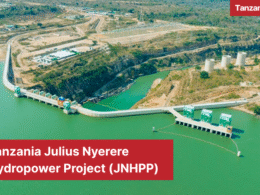
As of May 2014, Tanzania’s total installed generation capacity was 1,583 MW composed of hydro 561 MW (35 %), natural gas power plants of 527 MW (34%) and liquid fuel power plants of 495 MW (31 %).
Want to know more about Energy in Tanzania? Our free overview of the Tanzania Business and Investment Guide 2026 covers Energy, plus key sectors and investment opportunities. The complete 141-page edition includes policies, taxation, key regulations, full macroeconomic data, and sources, and is also available at no cost upon completion of a short form.
Download Free OverviewGet the Full Edition for Free