
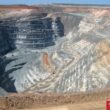
According to a recent report by This Day, TANCOAL Energy is currently sponsoring a feasibility study for a project that is seeking to construct a 400-megawatt coal-fired station as a means of support to the Tanzania energy sector and generate approximately USD 300 million in annual gross returns.
TANCOAL Energy is a joint venture company between the Tanzanian government and an Australian private investor, Atomic Resources Limited, through its Tanzanian subsidiary Pacific Corporation East Africa.
Together, these investors are proposing to build a brand new, modern USD 1.2 billion coal-based power plant in the Ruvuma Region of the country.

According to some of the developers for the project, this new power plant would help to increase the total availability of the electric supply by approximately 40 percent.
TANCOAL announced the study in a recent company released statement which read, “Atomic Resources Ltd is pleased to announce that Tancoal Energy (a special purpose Joint Vehicle between the Tanzanian government (30%) and Atomic’s Tanzanian subsidiary Pacific Corporation East Africa (70%), have formally commenced a Bankable Feasibility Study into mining thermal coal and mine site power generation at the Ngaka Thermal Coal Project.”
In general, the three major focuses of this new study will be on the mining of thermal coal to be used both as an export and as a source to generate on site power, the development and project financing of a coal gasification plant and power station utilizing clean coal technology and the development of a private public partnership, together with the state-run Tanzania Electric Supply Company Limited (TANESCO), in order to build power transmission lines to ultimately connect this project to the National Power Grid.
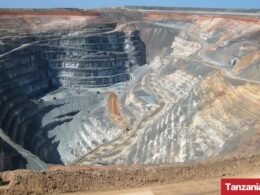
The overall foundation of the latest feasibility study is represented by coal mining, with the primary focus lying in the completion of an open cut mine plan and development schedule, civil works for stockpile, transportation and handling facilities at Lake Nyasa, and the development and construction of a mine village and offices.
In addition, the feasibility of the power station will help to calculate the future design, engineering, procurement and construction of a 400MW integrated gas combined cycle coal gasification plant and power station.

“’The coal gasification is a proven two-stage process which produces clean gas and allows for the removal of undesirable elements from the coal, including carbon dioxide sequestration, before burning the gas in turbines to generate electricity,” said the company in their statement.
TANCOAL went on to say that the result of this process would be a clean and environmentally sustainable source of energy for the country, along with minimal greenhouse gas emissions.
“It is anticipated that the gas plant and power station will be held within a special purpose vehicle established between Tancoal, infrastructure development fund providers, key off-take partners and the Tanzanian government,” read the statement.
It has been estimated that approximately 300 kilometers of the current power transmission lines will be needed in order to reticulate electricity from a power station in southern Tanzania to the main national power grid hub.
The most recent proposals have suggested that the primary ownership of the transmission line will be held by TANESCO, with TANCOAL providing funding partners, design and construction support.
Want to know more about Mining in Tanzania? Our free overview of the Tanzania Business and Investment Guide 2026 covers Mining, plus key sectors and investment opportunities. The complete 141-page edition includes policies, taxation, key regulations, full macroeconomic data, and sources, and is also available at no cost upon completion of a short form.
Download Free OverviewGet the Full Edition for Free