Tanzania and Angola have signed three Memorandums of Understanding (MoUs), marking a significant step in their bilateral relations.
These agreements were finalized in Zanzibar during the Second Meeting of the Joint Commission for Cooperation between Tanzania and Angola that ended on 16th January 2024.
They cover cooperation in the oil and gas sector, health sector, and visa exemptions for diplomatic and official passport holders.

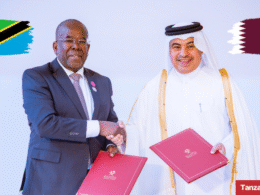
The MoUs were signed by Mr. January Makamba, Tanzania’s Minister of Foreign Affairs and East African Cooperation, Ummy Mwalimu, Tanzania’s Minister of Health, and Angola’s Minister of Foreign Affairs, Téte António.
Minister Makamba signed two Cooperation Agreements in the oil and gas sector and the waiver of visas/passports for diplomatic and professional passport holders, while Minister Mwalimu signed a cooperation document in the health sector.
He emphasized the importance of these agreements, stating, ” These MoUs represent a significant advancement in our relations and open new avenues for cooperation in crucial sectors that are vital for our countries’ development.”
For his part, Minister António, affirming Angola’s commitment to these agreements, highlighted their importance in strengthening bilateral relations. He stated, “Tanzania and Angola have been friends for many days, through the agreement we signed today we have opened a new page of cooperation between our nations, let us promise to implement all that we agreed in our meeting to continue strengthening our cooperation.”
These agreements are expected to enhance economic and diplomatic ties within the Southern African Development Community (SADC), potentially leading to increased regional integration and cooperation.

The meeting also delved into broader aspects of the bilateral relationship, including discussions on political relations, defense, education, and the blue economy.
The leaders have also agreed to work on various issues, especially direct flights from Dar es Salaam to Luanda, as well as holding a trade and investment conference and enabling the private sector to work together and cooperate more.
Want to know more about the Economy in Tanzania? Our free overview of the Tanzania Business and Investment Guide 2026 covers the Economy, plus key sectors and investment opportunities. The complete 141-page edition includes policies, taxation, key regulations, full macroeconomic data, and sources, and is also available at no cost upon completion of a short form.
Download Free OverviewGet the Full Edition for Free