

Tanzania together with The New Partnership for Africa’s Development (NEPAD) is set to host a special conference on Nutrition in the Tanzanian capital Dar es Salaam from 25 February to 1 March 2013.
The conference forms part of NEPAD’s Comprehensive Africa Agriculture Development Program (CAADP).
NEPAD noted that the workshop will focus on “East and Central Africa’s building capacity and mainstream Nutrition in National Agriculture and Food Security investment Plans.”

Participants from 18 countries including representatives from the Bill and Melinda Gates Foundation, Regional Economic Communities (RECs), Ministers of Agriculture, Finance, Health and Civil Society will be in attendance.
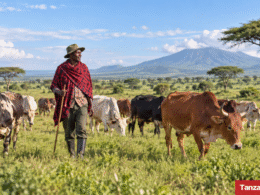
Tanzania is one NEPAD’s key African states aiming to achieve a dynamic Agricultural market and to become East Africa’s net exporter of Agricultural products.
The CAADP has an Agricultural growth rate of 6%. To date, Tanzania Agriculture has exceeded this target.
NEPAD and its CAADP division are focused on improving and promoting Agriculture across Africa.
The programme encourages environmentally sound Agricultural Production and sustainable management of Natural Resources in Africa.

At the end of the conference participants are expected to produce action plans for strengthening the capacities of Agricultural Institutions across East and Central Africa.
Want to know more about Agriculture in Tanzania? Our free overview of the Tanzania Business and Investment Guide 2026 covers Agriculture, plus key sectors and investment opportunities. The complete 141-page edition includes policies, taxation, key regulations, full macroeconomic data, and sources, and is also available at no cost upon completion of a short form.
Download Free OverviewGet the Full Edition for Free