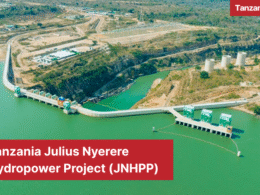



Tanzania is expected to benefit from a boost in hydropower generation and irrigation development thanks to a new study financed by the African Water Facility (AWF).
The funding will help the Government of Tanzania launch the pre-feasibility study of the Kikonge multipurpose dam, irrigation and hydropower project in Southwestern Tanzania.
The total cost of the pre-feasibility study is estimated at EUR2.5m. The AWF will fund the project with EUR2m.

The remaining EUR0.5m will be provided by the Climate Resilient Infrastructure Development Facility (CRIDF) and the Tanzanian Government.
The study will cover the irrigation scheme, agro-business development, the dam and its reservoir and the associated hydropower plant and the high voltage transmission line.
In addition, this study will also encompass water supply to local communities, local electricity supply through a mini hydro-power plant, fishing activities, tourism development and other uses of water for activities in the reservoir area (navigation, transport and water for mining).
Tanzania Kikonge Multipurpose Dam
When completed, the 300MW multipurpose dam will result in a 53% increase of Tanzania’s hydropower capacity.
Hydropower installed capacity in Tanzania stands at 562MW, while estimates of potential additional capacity are as high as 4GW, according to the African Development Bank (AfDB).

With an annual hydropower generation of 1,300 GWh by 2025, the dam will address Tanzania’s long-standing shortage of power supply, AWF indicates.
The 6b m3 storage reservoir capacity of the dam will allow a stable supply of energy throughout the year.
The dam will also improve availability of water resources for irrigation and associated activities in the area.
This will boost agricultural productivity and provide additional revenues to local farmers and populations, according to the AWF.
“In this southwestern region of Tanzania, close to the shores of the Lake Nyasa, crop production is currently dominated by rain-fed systems leaving the irrigation potential marginally tapped. While agriculture is the basis of Tanzanian economy (27% of the national GDP), its development is hampered by its dependence on unreliable and irregular weather conditions. Irrigation has therefore been identified as a key priority for Tanzania, which has huge potential for irrigated agriculture with its numerous rivers, lakes and underground water resources,” the AWF press release indicates.
The estimated overall duration of the project is 22 months, including 15 months for the performance of the studies.
Want to know more about Energy in Tanzania? Our free overview of the Tanzania Business and Investment Guide 2026 covers Energy, plus key sectors and investment opportunities. The complete 141-page edition includes policies, taxation, key regulations, full macroeconomic data, and sources, and is also available at no cost upon completion of a short form.
Download Free OverviewGet the Full Edition for Free