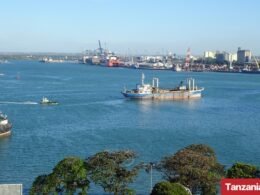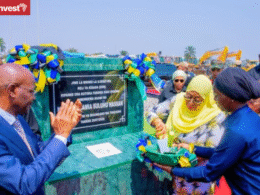



On March 4, 2017 Tanzanian President John Magufuli placed the foundation stone for the expansion works at the Mtwara port in southern Tanzania.
The construction works for a new 350-meter long berth will take 21 months to be completed.
This will greatly enhance the port’s capacity to accommodate large vessels to dock and to serve Dangote’s 3.0Mta cement plant in Mtwara, as well as increase the port’s overall cargo capacity, the Tanzania Ports Authority (TPA) indicates.

The Mtwara port transported 273,886 metric tons of cargo in 2015/2016 and 388,000 tons in 2016/2017, approaching the port’s maximum cargo capacity of 400,000 tons per year.
The port is one of the three major ports of Tanzania. Others are Dar es Salaam, and Tanga in the north.
The port is destined to be an alternative cargo gateway for cargo bound for southern Tanzania, Malawi, Eastern Zambia and Northern Mozambique.
The Mtwara port has witnessed an increased in activity since the beginning of offshore oil and gas exploration activities in Southern Tanzania.
Furthermore, the Liganga iron ore and the Mchuchuma coal mining projects are also expected to use the Mtwara port.

The port is also an integral part of the Mtwara Development Corridor project and has a special economic zone attached to it.
Want to know more about Transport in Tanzania? Our free overview of the Tanzania Business and Investment Guide 2026 covers Transport, plus key sectors and investment opportunities. The complete 141-page edition includes policies, taxation, key regulations, full macroeconomic data, and sources, and is also available at no cost upon completion of a short form.
Download Free OverviewGet the Full Edition for Free