

The draft bill for the establishment of a Tanzania Commodity Exchange Market (TCX) is now at the cabinet level and is scheduled to be tabled in the next parliament session, the Capital Markets and Securities Authorities (CMSA) has announced.
According to Charles Shirima, Manager Public Relations at CMSA: “What is pending is training and licensing of commodity traders / dealers of which we expect to conduct the training before end of the financial year (June 30th 2015).”
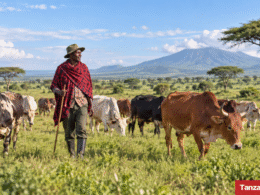
CMSA indicates that the commodity exchange is intended to provide assistance to farmers for the sale of their produce and will expose them to reliable domestic and international markets.

Cashew nuts, coffee, cotton and rice are forecasted to be the first crops to be traded at the TCX.
The commodity exchange is expected to introduce transparency and competition in crop prices via market and pricing information as well as assuring crops quality and timely delivery and payment.
According to Africa Exchange Holdings the agricultural sector in sub-Saharan Africa is projected to increase 2.5% annually through 2030 – the fastest growth anywhere in the world; however the absence of standardized product grades, proof of ownership for commodities, and proper storage facilities limits agricultural potential. Access to markets and finance also pose significant barriers.
Want to know more about Agriculture in Tanzania? Our free overview of the Tanzania Business and Investment Guide 2026 covers Agriculture, plus key sectors and investment opportunities. The complete 141-page edition includes policies, taxation, key regulations, full macroeconomic data, and sources, and is also available at no cost upon completion of a short form.
Download Free OverviewGet the Full Edition for Free